

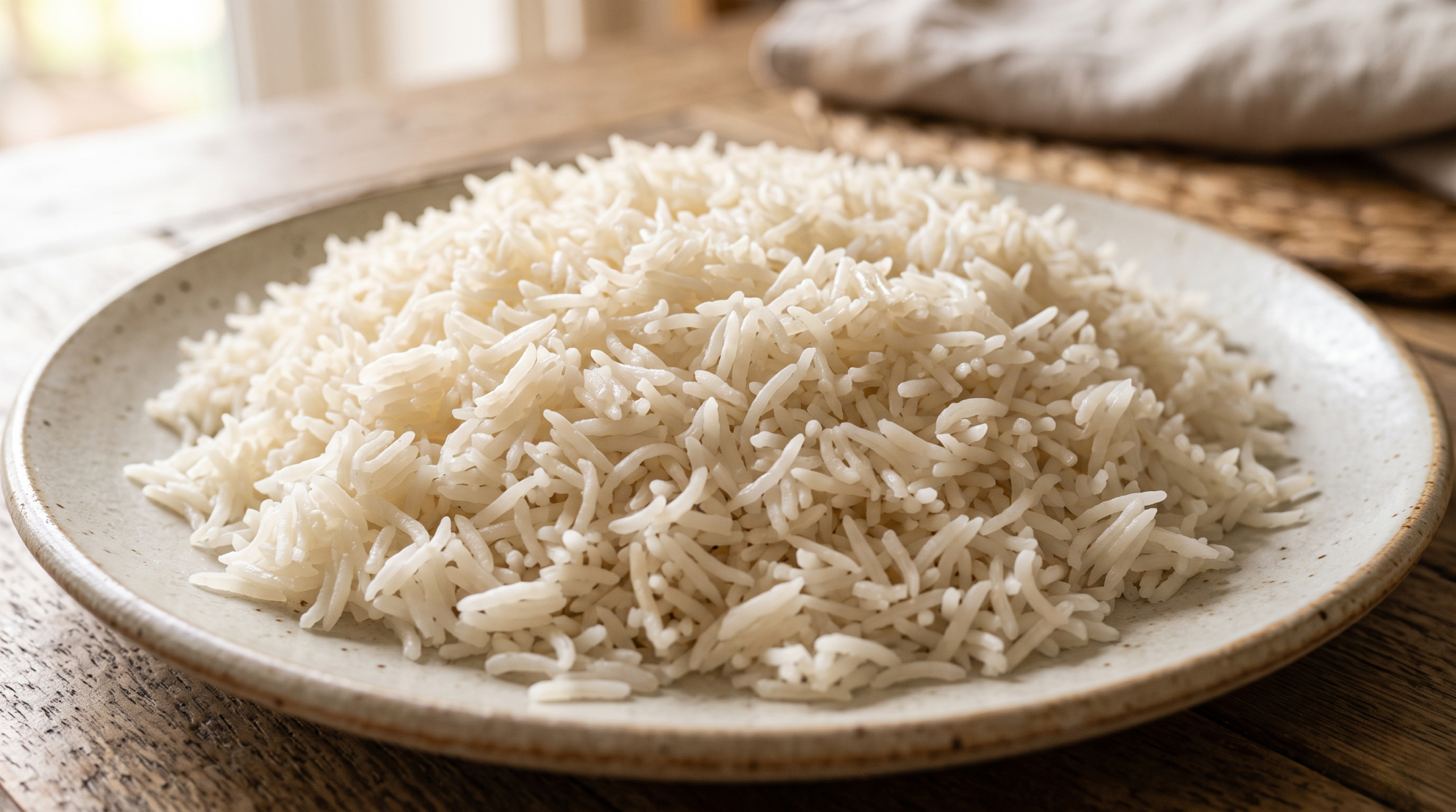

Let me start with something simple.
You don’t really eat basmati rice.
You experience it.
That smell when it hits warm water… that soft, fluffy texture after cooking… it’s not just “rice behavior.” It feels like something that knows it’s special.
And maybe that’s why, when you look at basmati rice export prices, they don’t behave like normal commodity pricing. They act more like something closer to luxury food markets.
At VERTEX Supply Networks, we deal with agricultural sourcing and global supply chains every day, and one thing is very clear: buyers in UAE, KSA, Canada, and Pakistan don’t just want rice. They want consistency they can trust, batch after batch.
So let’s talk honestly about why basmati stays expensive, and why the world keeps paying for it.
First, What Makes Basmati Rice So Noticeable?
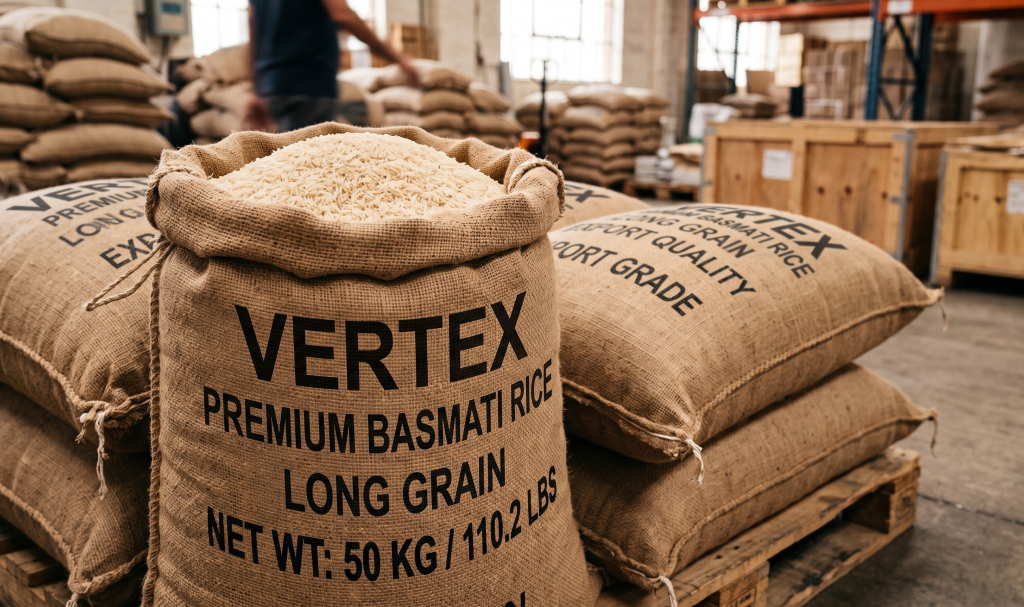
Even if you’re not a rice expert, you can usually spot basmati instantly.
It has a few quiet but confident traits:
- Long, elegant grains that don’t break easily
- A natural aroma that shows up even before cooking
- A light texture that doesn’t turn sticky
- A clean, “separate grain” look after cooking
And honestly, that last point matters more than people think. In global trade, appearance is not just visual. It’s value.
Why Basmati Rice Export Prices Stay So High
Now let’s answer the real question people ask in procurement meetings:
Why is basmati rice expensive?
The answer isn’t one big reason. It’s a combination of small realities that stack up.
1. That Aroma You Can’t Fake Easily
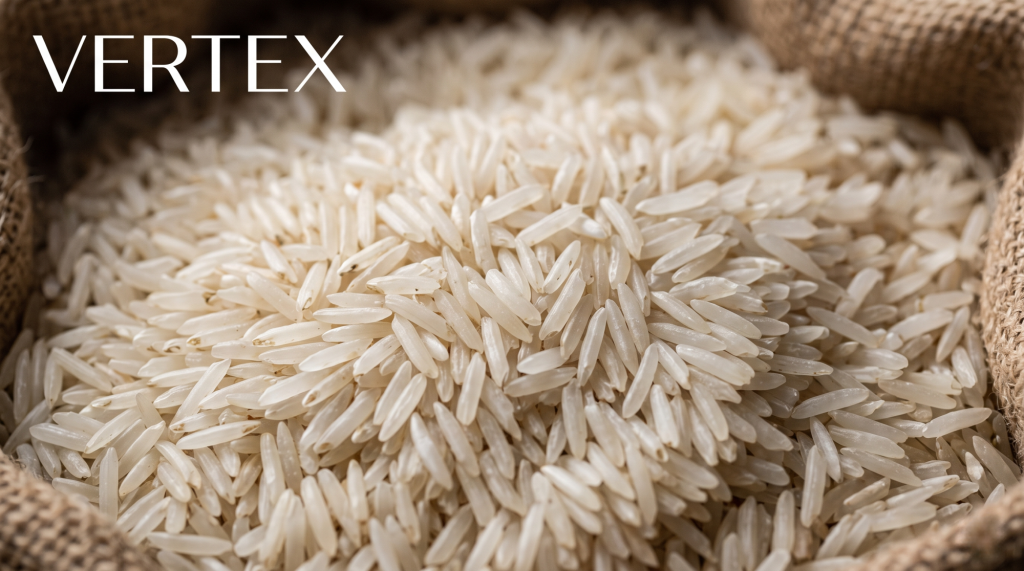
There’s a moment when basmati rice is cooking where the whole kitchen changes.
That smell isn’t added. It’s natural.
And that natural fragrance is exactly what drives fragrant rice prices in global markets. Buyers in the premium aromatic rice export market specifically look for that sensory experience.
You can copy packaging. You can copy branding.
But aroma? That’s harder to replicate consistently at scale.
2. It Only Grows in Specific Places
Here’s something that surprises new buyers:
Basmati doesn’t grow everywhere.
It comes from very specific agricultural regions, which naturally creates premium rice supply tightness in global trade.
Less growing area means:
- Limited annual yield
- Higher competition for supply
- More controlled pricing
And that’s one of the quiet reasons behind strong rice export profitability.
3. It Actually Gets Better With Time
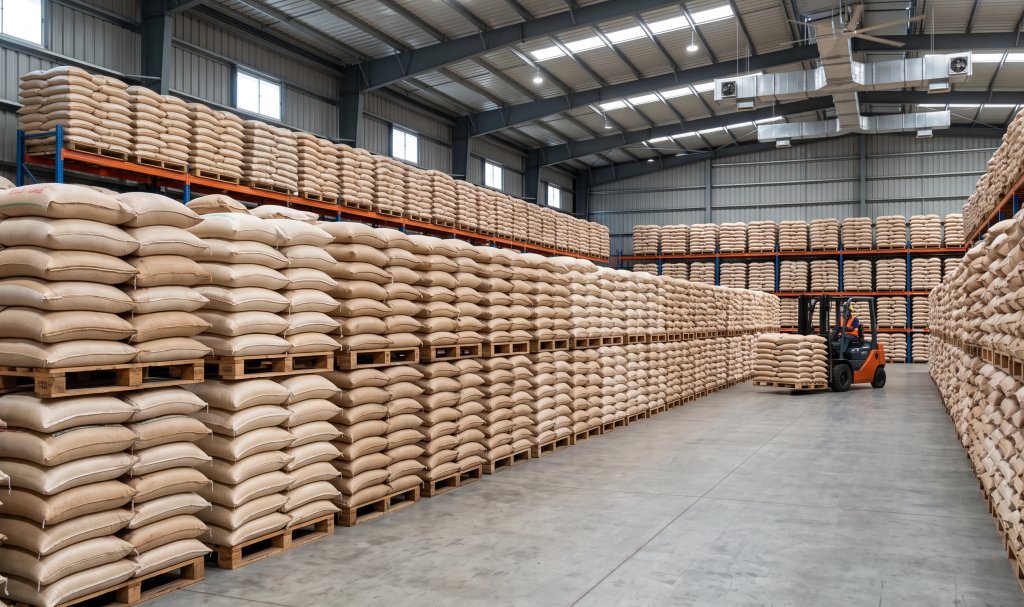
Most rice doesn’t age well.
Basmati does.
When stored properly, aged basmati rice develops:
- Stronger aroma
- Better grain length feel
- Improved cooking expansion
This is why aged basmati rice premium pricing exists. Time literally adds value here.
4. Strict Export Standards Add Real Value
Global buyers don’t just want rice. They want certainty.
That’s why rice export certification requirements exist.
Before basmati leaves a sourcing network like VERTEX Supply Networks, it typically goes through:
- Moisture checks
- Grain length verification
- Purity testing
- Foreign matter removal
These aren’t “extra steps.” They are part of what makes it export-ready.
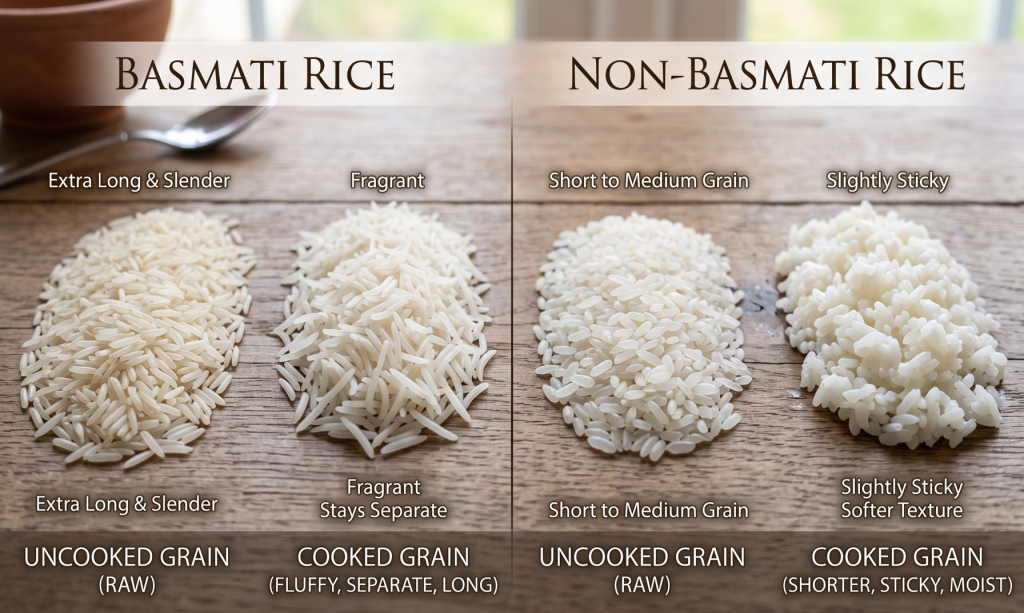
Basmati vs Non-Basmati Rice (Simple Reality Check)
Let’s keep this very straightforward.
- Grain Shape: Basmati rice is long and slender, whereas non-basmati rice is usually short or medium in size.
- Aroma: Basmati rice is naturally fragrant, while non-basmati rice has a mild aroma or none at all.
- Texture: Basmati rice cooks up fluffy with separate grains, whereas non-basmati rice often turns sticky.
- Market Value: Basmati rice falls under the premium export category, while non-basmati rice is generally treated as a mass-market commodity.
- Buyer Type: Basmati rice is typically preferred by importers, retailers, and HORECA buyers, while non-basmati rice is mostly used for general household consumption.
So when people compare basmati vs non-basmati rice, it’s not just food preference. It’s two completely different market positions.
What Actually Drives Basmati Pricing?
Let’s go a bit deeper into real trade factors.
1. Grain Length Still Matters
Longer grains generally signal higher quality and better export grade.
This is especially important in:
- 1121 basmati rice export segments
- 1509 basmati rice export supply
- Pusa basmati premium pricing categories
2. Aroma Strength in Real Markets
In places like UAE and KSA, aroma is not optional. It’s expected.
That’s why basmati rice demand stays strong in Middle Eastern markets and diaspora-heavy regions like Canada.
3. Export Standards Keep Quality Consistent
Export buyers expect uniformity.
So export quality basmati rice usually goes through:
- Broken grain checks
- Purity grading
- Moisture control
- Visual inspection
No shortcuts here.
4. Global Demand Keeps Growing
Food trends are shifting globally.
Ethnic cuisine, restaurants, and ready meals are increasing demand, which keeps aromatic rice global trade trends moving upward.
Simply put: more biryani, more demand.
5. Regulations Shape Pricing Stability
Rules like basmati rice MEP regulations influence minimum export pricing in certain markets, helping stabilize trade conditions.
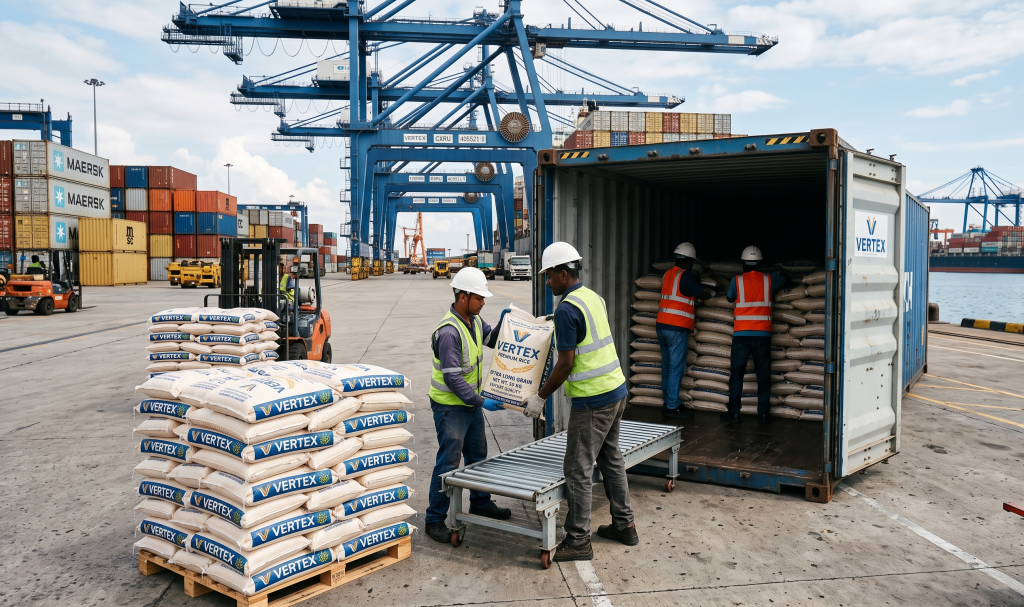
How VERTEX Supply Networks Maintains Quality
At VERTEX Supply Networks, we don’t treat rice like a simple commodity. We treat it like a controlled supply product that needs consistency.
Here’s what actually happens behind the scenes:
✔ Batch-Level Inspection
Every batch is checked separately through rice batch inspection. No mixing assumptions from previous lots.
✔ Purity Control
We ensure foreign matter removal in rice before packaging so buyers receive clean, export-ready product.
✔ Moisture Stability
Proper rice moisture control helps maintain shelf life during long-distance shipping.
✔ Final Shipment Check
Before dispatch:
- Packaging is verified
- Weight is confirmed
- Quality is rechecked
- Export documents are aligned
This forms the final rice shipment inspection step.
Why Importers Stick With Reliable Supply Networks
If you’re in importing or wholesale trade, you already know this truth:
Price gets attention. Consistency keeps customers.
Working with structured suppliers like VERTEX Supply Networks helps reduce:
- Quality surprises
- Shipment disputes
- Market rejection risks
And improves:
- Buyer confidence
- Repeat orders
- Long-term contracts
Frequently Asked Questions
1. What is the difference between Basmati and non-Basmati rice?
Basmati rice is long-grain, aromatic, and fluffy after cooking, while non-Basmati rice is usually shorter, less fragrant, and often stickier.
2. Why does aromatic rice command premium export prices?
Because aroma, grain quality, limited supply regions, and strong global demand create higher perceived value in international markets.
3. What factors influence basmati rice export prices?
Grain length, aroma strength, aging, export certification, demand levels, and regulatory conditions all play a role.
4. Why is aged basmati rice more valuable?
Because aging improves aroma, grain strength, and cooking performance, making it more desirable in export markets.
5. What quality tests are used for basmati rice exports?
Moisture testing, grain grading, purity checks, foreign matter removal, and final shipment inspection are commonly used.
Final Thoughts: Why Basmati Keeps Its Premium Position
Basmati rice isn’t expensive by accident.
It holds value because it consistently delivers something buyers can feel, smell, and trust.
- It looks premium
- It cooks premium
- It performs consistently in global kitchens
And that’s why basmati rice export prices stay strong across UAE, KSA, Canada, and beyond.
At VERTEX Supply Networks, the focus is simple: make sure what gets sourced is exactly what global buyers expect when it arrives.
Because in international trade, consistency isn’t a bonus.
It’s the whole game.
Discover VERTEX Supply Networks & Connect With Us
Explore global commodity sourcing with VERTEX Supply Networks, where verified supply, consistency, and trusted trade relationships come together. We help importers, wholesalers, and distributors connect with reliable sourcing networks across Pakistan and international markets.
Have a sourcing requirement or inquiry?
Contact VERTEX Supply Networks today to discuss your needs and build a dependable supply chain with confidence.