
Fashion moves fast, but sustainable apparel manufacturing is changing how businesses think about making and sourcing clothing. New colours, collections, trends, and orders appear constantly, but one thing should never be rushed: how your clothes are actually made.
For importers, overseas buyers, international distributors, wholesalers, and buying agents, choosing the right supplier means looking beyond price. Product quality, responsible materials, worker conditions, waste reduction, supply chain transparency, and reliable delivery matter too.
At VERTEX Supply Networks, apparel manufacturing is part of a broader sourcing and export network designed to help businesses find practical solutions for clothing, fabrics, and home textiles.
1. What Is Sustainable Apparel Manufacturing?
Sustainable apparel manufacturing means making clothing in a way that reduces unnecessary environmental impact while supporting responsible working conditions and efficient production.
In real business terms, this can mean:
- Using organic, recycled, or responsibly sourced fabrics
- Reducing fabric and production waste
- Using resources such as water and energy more efficiently
- Following responsible dyeing and finishing processes
- Maintaining safe working conditions
- Paying attention to worker welfare
- Keeping better records across the supply chain
- Maintaining consistent quality during production
It is not about making a perfect garment with a magic sustainability label.
It is about making better decisions at every stage of production.
2. Why Does Ethical Clothing Production Matter More Than Ever?
Consumers are becoming more curious about what is behind the products they buy. At the same time, brands and retailers are paying closer attention to their suppliers.
For an international buyer, ethical clothing production can offer practical business benefits.
- Stronger brand reputation: Responsible sourcing can give your brand a more trustworthy story.
- Better production control: Organized manufacturing processes can help reduce defects and unnecessary waste.
- Stronger supplier relationships: Transparency makes communication easier when orders become larger or more complex.
- Lower supply chain risk: Knowing where products and materials come from gives you better control.
- Long term value: Responsible production can support a brand that customers want to stay with.
The simple point is this: you are not only buying garments. You are also choosing the production system behind those garments.

3. Sustainable Materials Can Make a Difference
Fabric is one of the first things you should discuss with your apparel manufacturer.
Depending on the product, market, and budget, buyers may consider:
- Organic cotton: A popular choice for brands looking for responsibly sourced natural fibres.
- Recycled polyester: Uses recycled polyester materials instead of relying entirely on virgin polyester.
- Linen: A natural fibre valued for its durability and breathable feel.
- Hemp: A strong natural fibre that has gained attention in sustainable fashion.
- Tencel or Lyocell: Known for its soft feel and use in lightweight clothing.
- Recycled fabrics: Useful for brands that want to incorporate recovered materials into their products.
For example, an organic cotton t-shirt manufacturer can be a good option for brands developing basics, private label clothing, uniforms, or retail collections.
But here is the catch: choosing a sustainable fabric does not automatically make the entire garment sustainable.
Dyeing, finishing, cutting, stitching, packaging, transportation, and product lifespan all matter too.
4. An Ethical Fashion Supply Chain Needs Transparency
Imagine ordering thousands of garments and discovering halfway through production that part of your order has been sent to an unknown subcontractor.
That is not the kind of surprise an international buyer wants.
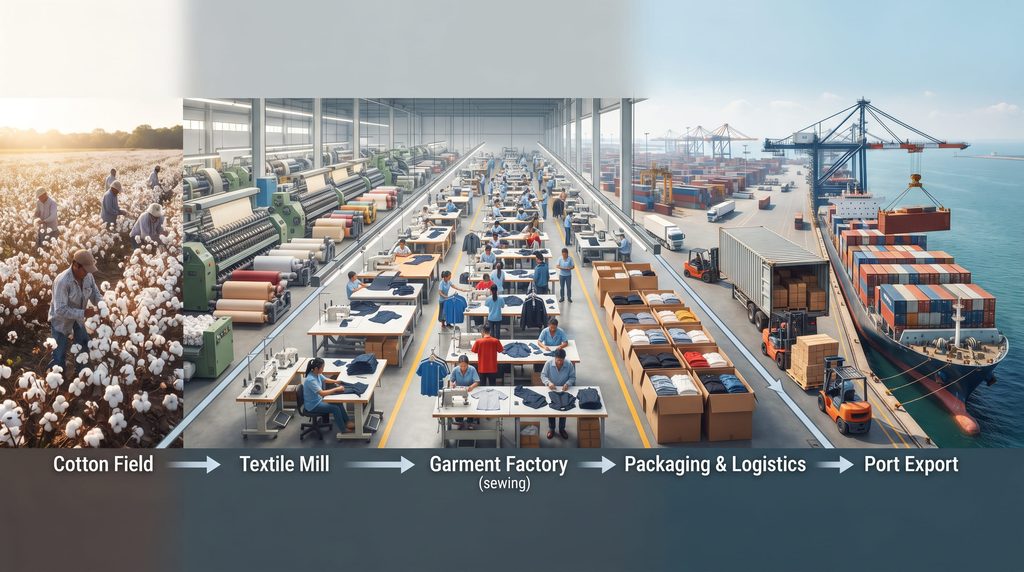
A transparent ethical fashion supply chain should give you reasonable visibility into important stages such as:
- Fabric sourcing
- Production planning
- Cutting and stitching
- Finishing
- Quality inspection
- Packaging
- Export and logistics
For buyers, transparency means fewer blind spots.
It also makes it easier to ask the right questions before a problem becomes an expensive problem.
5. Certifications Can Help You Check Sustainability Claims
A supplier saying “we are sustainable” is not enough.
You need evidence.
Depending on your product and target market, you may want to look for certifications and standards such as:
- GOTS: Relevant for certified organic textiles and supply chain requirements.
- OEKO TEX STANDARD 100: Focuses on testing textiles for harmful substances.
- Fairtrade: Includes requirements related to workers, working conditions, and responsible production.
- GRS: Relevant when sourcing products made with recycled materials.
- B Corp: Applies to businesses assessed against broader social and environmental performance criteria.
If you are sourcing GOTS certified clothing, ask for current documentation and verify the certification rather than simply accepting a logo on a supplier’s website.
The same rule applies to any sustainability claim.
Evidence beats a nice marketing sentence every time.
6. How Can You Verify a Manufacturer’s Ethical Claims?
Before placing a large international order, ask practical questions.
You can request:
- Current certification documents
- Fabric and material specifications
- Production and factory information
- Quality control procedures
- Relevant audit records
- Information about subcontractors
- Waste management practices
- Samples before bulk production
You can also consider independent inspections when the order size or market requirements justify them.
At VERTEX Supply Networks, buyers can learn more about the company and its broader sourcing and supply network before discussing their manufacturing requirements.
7. Does Ethical Manufacturing Cost More?
Sometimes, yes.
Certified materials, better production controls, responsible processes, audits, and improved working conditions can increase the initial manufacturing cost.
But focusing only on the cheapest unit price can be a little like buying the cheapest suitcase before a long trip. It looks like a saving until the handle breaks at the airport.
Poor manufacturing can result in:
- Product returns
- Rework
- Material waste
- Delayed shipments
- Customer complaints
- Damaged brand reputation
For this reason, overseas buyers should compare overall value, not only the initial quotation.
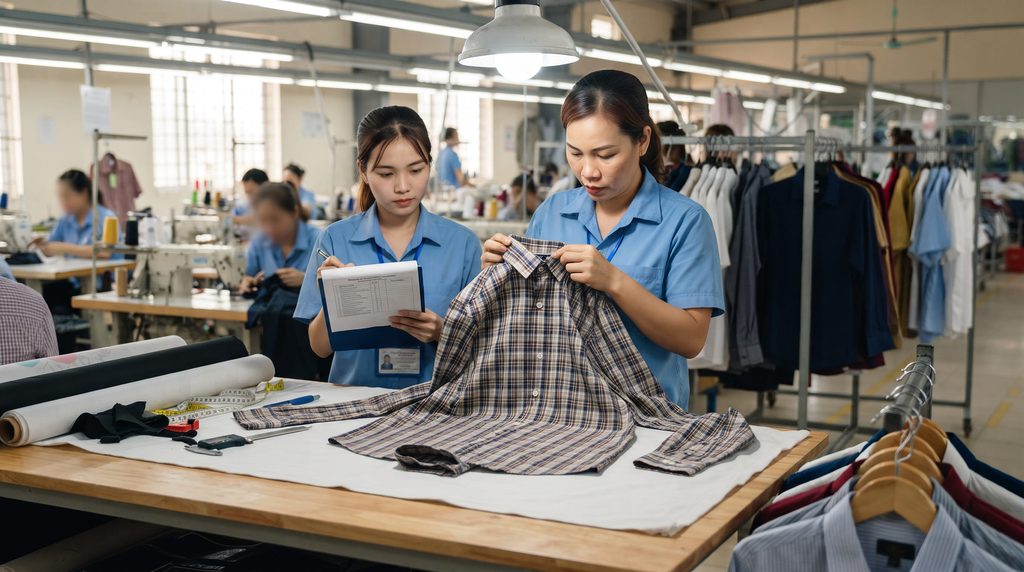
8. How VERTEX Supports Apparel Manufacturing
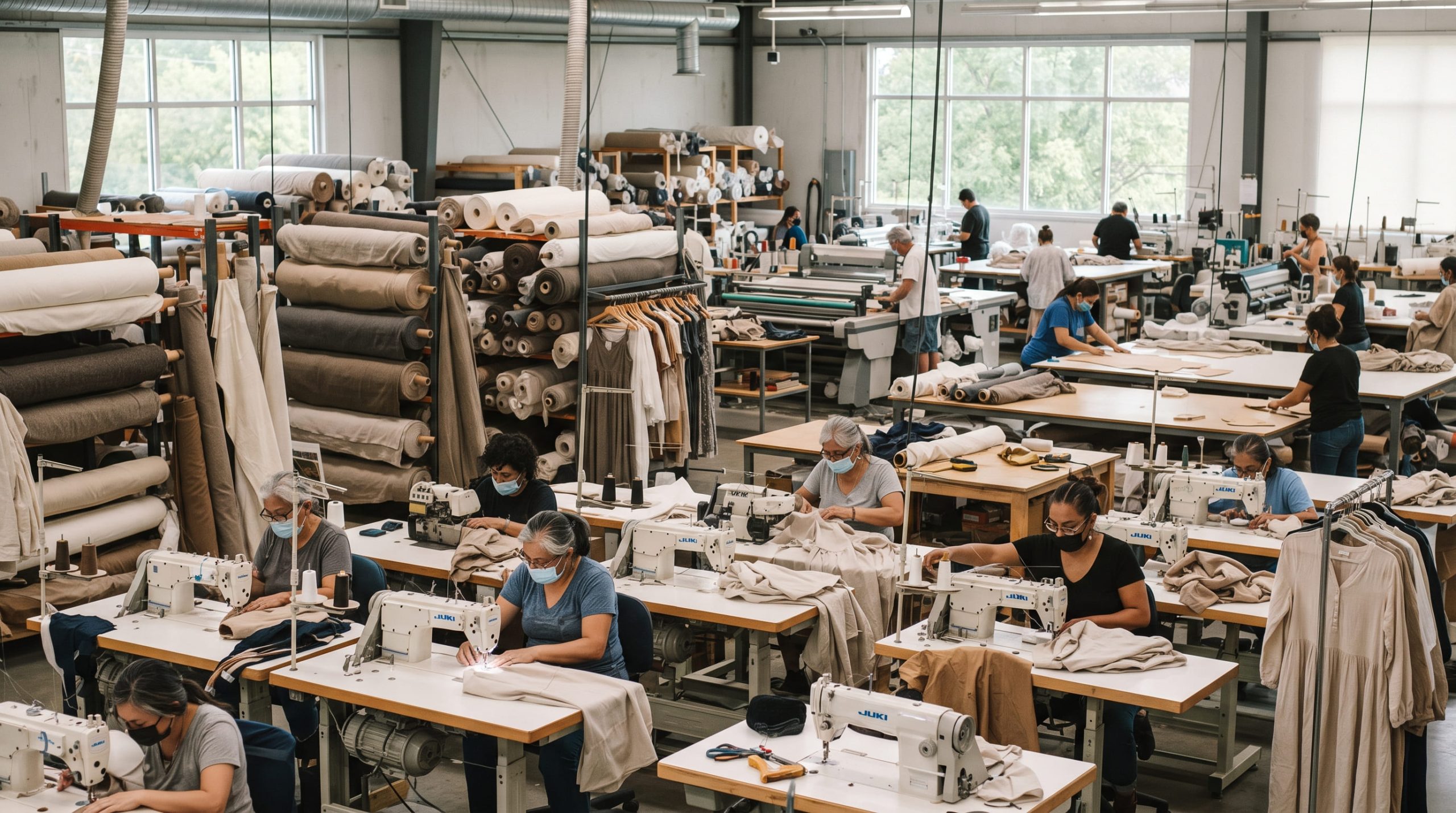
VERTEX provides Apparel & Home Textile Manufacturing solutions covering areas such as fabric sourcing, garment production, stitching, finishing, quality control, export packaging, and logistics support.
Its apparel offering can support private label clothing, fashion products, retail apparel, uniforms, corporate wear, and other custom requirements.
For buyers, having several parts of the production process connected can make communication and order management simpler.
9. What Should International Buyers Ask an Apparel Manufacturer?
Before choosing a supplier, do not ask only, “What is your price?”
Ask:
- Can you source the fabric I need?
- Can you meet my required quantity?
- What quality checks are performed?
- Can you provide private labeling?
- Can you customize garments to my specifications?
- How are production and export logistics managed?
- What information can you provide about responsible manufacturing?
- What happens if production does not meet the agreed specifications?
These questions help you compare suppliers based on the things that actually affect your business.
For more information about VERTEX’s apparel and fabric capabilities, explore its Clothing & Fabric solutions.

10. Sustainable Garment Production Is Becoming a Business Choice
You do not have to transform your entire supply chain overnight.
Start with practical steps:
- Choose better materials where they make sense.
- Reduce unnecessary packaging.
- Improve fabric utilization.
- Focus on durable products.
- Ask suppliers for supporting documentation.
- Monitor quality throughout production.
- Build stronger long term supplier relationships.
This is where sustainable garment production becomes practical.
It is not simply about looking good in a sustainability report. It is about creating products that make sense for your customers, your business, and the people involved in making them.
FAQs About Sustainable Apparel Manufacturing
What is sustainable apparel manufacturing?
It is the production of clothing using responsible materials, efficient resource use, waste reduction, quality control, and responsible labor practices.
Why do ethical production practices matter more than ever?
They matter because customers, brands, retailers, and international buyers are paying more attention to responsible sourcing, transparency, environmental impact, and working conditions.
What certifications should I look for in sustainable clothing?
Depending on your requirements, consider relevant certifications such as GOTS, OEKO TEX, Fairtrade, and GRS. Always verify current documentation.
What materials are considered sustainable for apparel?
Organic cotton, recycled polyester, linen, hemp, Tencel or Lyocell, and responsibly produced recycled fabrics are common options. The complete production process should also be considered.
How can I verify a manufacturer’s ethical claims?
Request certifications, material documentation, factory information, quality control records, and relevant audit reports. Independent inspections can also provide additional confidence.
Conclusion
Sustainable apparel manufacturing is not just about following a fashion trend. It is about making smarter sourcing decisions.
For importers, overseas buyers, wholesalers, distributors, and buying agents, the right manufacturing partner can help balance quality, customization, responsible production, and reliable supply.
If you are looking for apparel, fabric, private label, or home textile manufacturing solutions, contact VERTEX Supply Networks to discuss your requirements.
Better clothing starts with better decisions about how it is made.
