
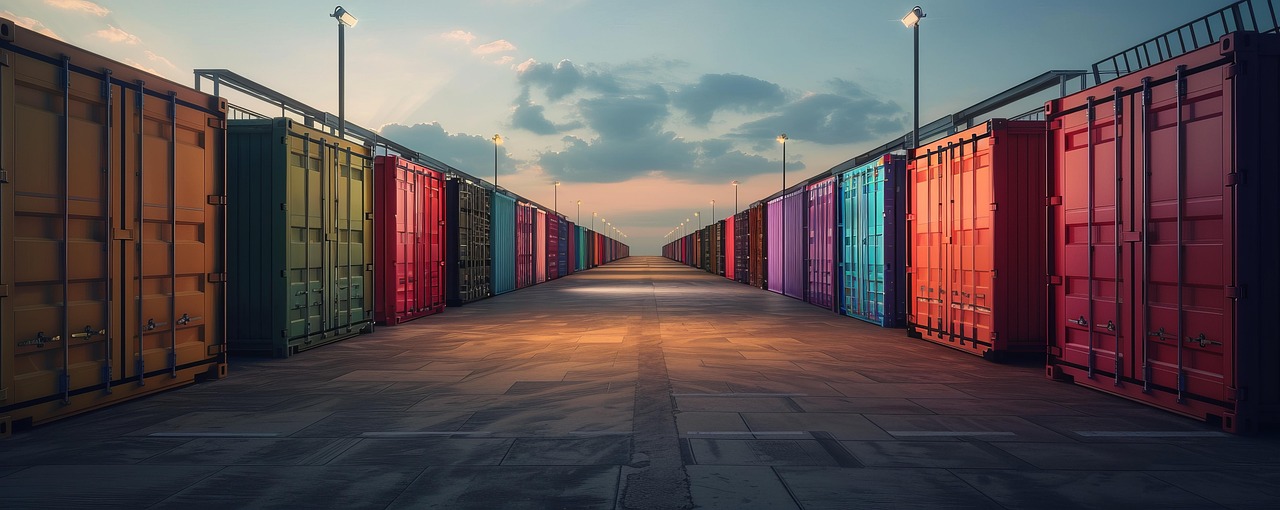

When you open a bag of premium rice, it is easy to think only about the final product. But every grain has already travelled a long way before it reaches your warehouse. The paddy to port journey begins on the farm and passes through drying, milling, storage, packaging, and export before arriving in international markets.
At VERTEX Supply Networks, we believe that great exports start with great sourcing. By connecting trusted farmers, processing partners, and logistics experts through one reliable supply network, we help importers, overseas buyers, distributors, wholesalers, and buying agents source high quality rice with confidence. Instead of dealing with multiple suppliers, you get one dependable partner focused on quality, transparency, and long term business relationships.
If you buy rice for international markets, understanding this journey can help you choose a supplier that protects quality at every step.
1. Where the Paddy to Port Journey Begins
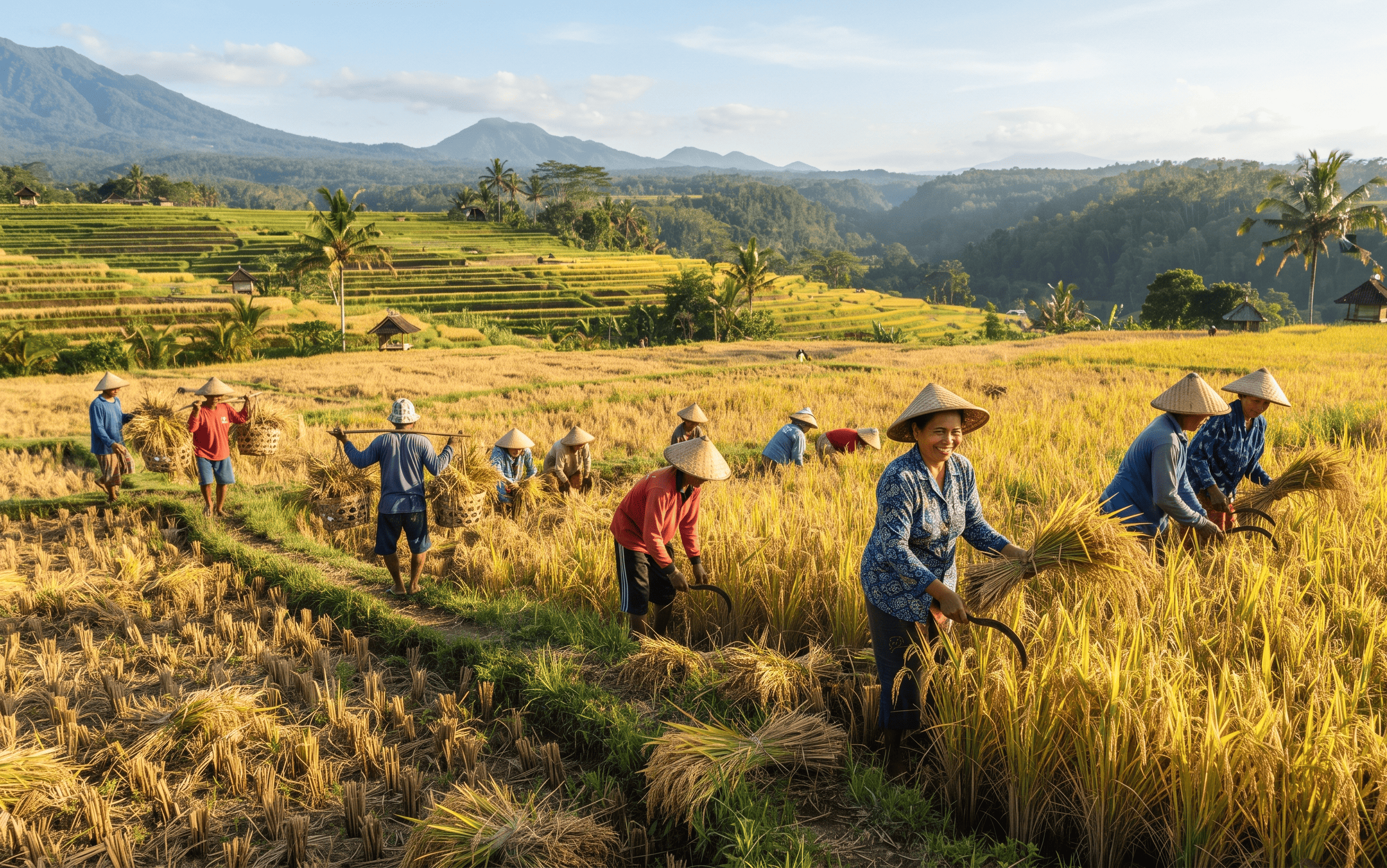
The story of farm sourced rice always begins with experienced farmers. Healthy crops, proper harvesting, and careful handling create the strong foundation that every export shipment needs.
At VERTEX, we work with trusted sourcing partners to maintain consistent quality from the very beginning. This direct approach improves traceability, reduces unnecessary delays, and helps buyers receive products that meet international expectations.
For overseas buyers, this means:
- Better consistency from shipment to shipment
- More transparency across the rice supply chain
- Reliable commercial quantities
- Stronger long term partnerships
Good rice does not happen by accident. It starts with careful planning in the field.
2. Drying the Paddy is One of the Most Important Steps
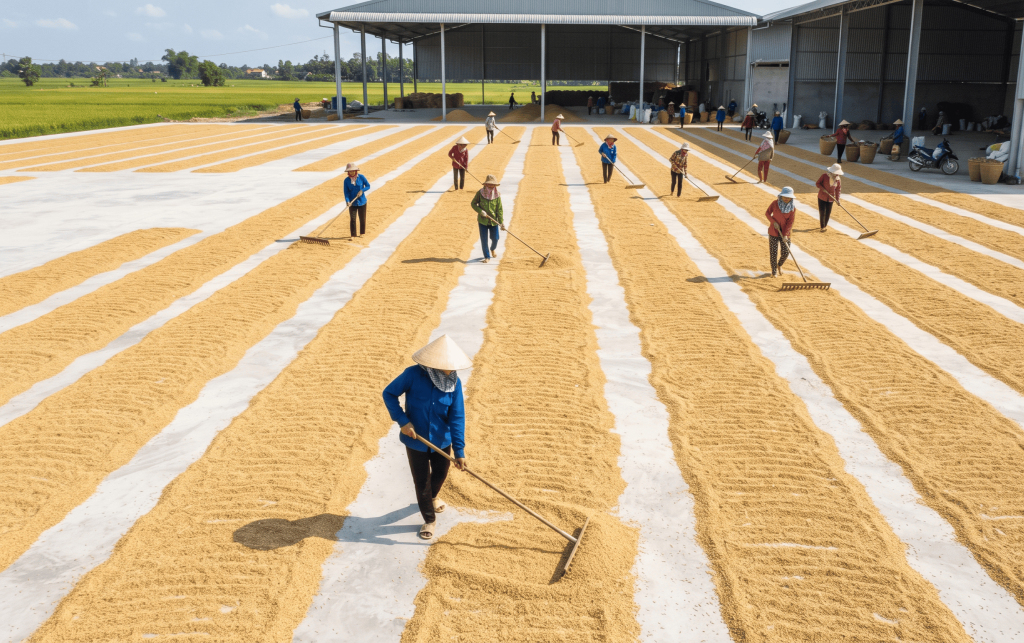
Freshly harvested paddy naturally contains too much moisture. If it is stored immediately, the rice can develop mold, attract insects, or lose quality before milling even begins.
That is why the paddy drying process is so important.
Drying reduces the moisture level to a point where the grain can be safely stored and processed. Good rice moisture control also helps reduce grain breakage during milling and protects quality during international shipping.
Proper drying helps:
- Prevent spoilage
- Protect grain colour
- Reduce insect activity
- Improve milling performance
- Maintain export quality
It may seem like a simple step, but it plays a huge role in producing premium export rice.
3. Rice Milling Brings Out the Best Quality
Once the paddy reaches the mill, it begins its transformation into export ready rice.
Modern rice milling uses advanced equipment to process each batch with consistency and care. Throughout the process, quality checks help ensure that every shipment meets customer requirements.
The milling process usually includes:
- Rice cleaning and grading to remove dust, stones, and unwanted material
- Rice husking and polishing to produce clean, polished grains
- Sorting grains by size and quality
- Removing broken grains
- Final inspections before packaging
Strong rice quality assurance practices help buyers receive rice that looks good, cooks well, and meets international standards.
4. Protecting Rice During the Paddy to Port Journey
Even after milling, the work is not finished.
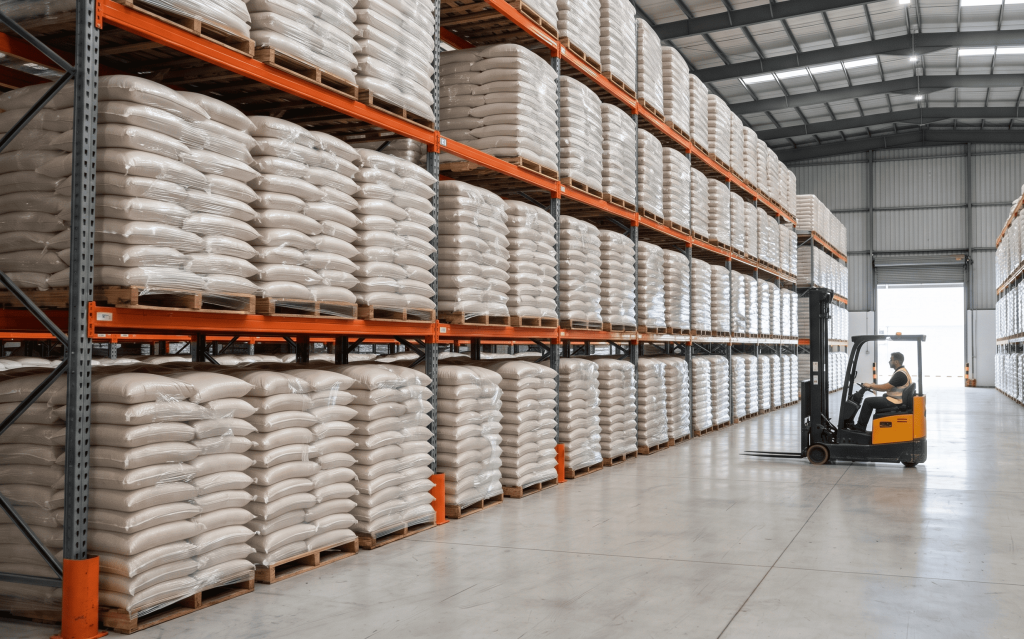
Proper rice storage protects the grain while it waits for packaging and shipment. Warehouses must stay clean, dry, and well managed to preserve freshness.
Good storage practices include:
- Regular moisture monitoring
- Clean warehouse conditions
- Effective pest management
- Organized stock rotation
- Routine quality inspections
These simple practices help reduce contamination risks and keep rice in excellent condition before export.
5. Packaging That Travels the World
Every buyer has different packaging needs. Some need retail packs for supermarket shelves, while others require larger bags for wholesale distribution.
VERTEX supports flexible rice packaging solutions that match different markets, including private label requirements for businesses building their own brands.
Popular packaging options include:
- Small retail bags for supermarkets
- Medium sized bags for distributors
- Large export bags for wholesalers
- Private label packaging for international brands
Strong export rice packaging bags protect the rice from moisture, dust, and handling during transport.
This packaging stage is another important part of the paddy to port journey because it protects rice until it reaches international buyers.

6. From Warehouse to Port
Now the journey enters its final stage.
The packaged rice moves through carefully planned grain handling logistics before reaching the export port. Every shipment is scheduled to reduce delays and keep products moving efficiently.
This stage includes:
- Transport to the port
- Export documentation
- Customs clearance
- Container loading
- Final inspections before shipping
Depending on the order size, exporters may choose rice container shipping or bulk rice transport.
Reliable rice logistics means more than moving products from one place to another. It means protecting quality until the shipment reaches your destination.
7. Why the Paddy to Port Journey Matters for Global Buyers
As an importer or distributor, you are not simply buying rice. You are investing in a supply chain that must perform consistently every time.
A well-managed rice supply chain helps reduce delays, improve product consistency, and build confidence between suppliers and buyers.
At VERTEX Supply Networks, our approach focuses on:
- Direct sourcing through trusted partners
- Reliable processing and quality control
- Flexible packaging options
- Efficient export logistics
- Transparent communication
- Long term business relationships
When every stage works together, buyers receive products they can trust and customers receive quality they can enjoy.

Frequently Asked Questions
What does “paddy to port” mean in rice logistics?
It describes the complete journey of rice from harvesting in the field to drying, milling, packaging, transportation, and finally export through an international shipping port.
What are the main steps from harvesting rice to exporting it?
The process includes harvesting, drying, cleaning, milling, grading, storage, packaging, transport, customs clearance, and international shipping.
Why is drying paddy so important before transport and milling?
Drying lowers the moisture content of the grain. This helps prevent mold, insects, spoilage, and quality loss during storage and transportation.
What moisture level is safe for storing and shipping rice?
Most exporters aim for a moisture level of around 13 to 14 percent to help maintain grain quality throughout storage and overseas transport.
What are the biggest quality risks in rice logistics?
The most common risks include poor moisture control, contamination, pest activity, damaged packaging, and improper storage. Strong quality checks throughout the supply chain help reduce these risks.
Conclusion
The paddy to port journey is much more than transporting rice from one place to another. It is a carefully managed process where every stage, from farm sourcing and rice milling to storage, packaging, and export logistics, helps preserve quality and deliver consistency to buyers around the world.
At VERTEX, we work closely with trusted sourcing and processing partners to simplify global trade through transparent supply chains, reliable logistics, and flexible packaging solutions. Our focus is on helping importers, wholesalers, distributors, and buying agents source premium Pakistani rice with confidence.
Ready to simplify your rice sourcing with a trusted export partner?
Connect with the VERTEX team today to discuss your sourcing requirements and discover how our farm to port expertise can support your business with reliable, export ready rice solutions.
Contact VERTEX Supply Networks
📞 Phone: +92 337 9233693
📧 Email: vertexsupplynetworks@gmail.com
