



If you buy rice by the container instead of by the bag, you already know that every grain matters. Parboiled rice is a practical choice for bulk food manufacturers, importers, overseas buyers, wholesalers, distributors, and food-service businesses looking for reliable quality, consistent cooking results, lower breakage, and dependable storage performance.
At VERTEX Supply Networks, we help international buyers source rice with suitable varieties, quality specifications, packaging, and export solutions. Our goal is simple: understand your requirements, source the right rice, and help deliver it to your market reliably
1. What Is Parboiled Rice?
Parboiled rice is made by treating paddy rice with soaking, steaming, and drying before it goes through the milling process.
This treatment changes the structure of the grain and makes it firmer. That is one reason this rice can handle milling, transportation, storage, and cooking quite well.
And no, parboiled does not mean fully cooked. It is still uncooked rice that needs to be prepared before eating.
2. Why Do Bulk Food Manufacturers Prefer Parboiled Rice?
The answer is fairly simple: performance matters when you are buying rice in large quantities.
A restaurant can deal with a small amount of broken rice. A manufacturer handling several tons or containers cannot look at it quite so casually.
Some key benefits of this rice include:
- Stronger grain structure
- Lower risk of breakage during milling
- Good cooking performance
- Firm and separate cooked grains
- Suitable for large-scale food service
- Useful for food processing applications
- Good handling during bulk transportation
For a buyer, consistency can save time, reduce waste, and make production easier.
3. Parboiled Rice vs White Rice for Manufacturing
Instead of simply asking which one is better, think about which one fits your business better.
Parboiled rice
- Generally has stronger grains
- Can have lower milling breakage
- Produces firm, separate grains when properly cooked
- Works well for many food-service applications
- Is suitable for several bulk food processing uses
- Can be a practical option for long-distance transportation
Regular white rice
- Often has a softer cooked texture
- Can work well for everyday food applications
- Performance varies by rice variety and milling quality
- May be preferred by markets that specifically want traditional white rice
Your final choice should depend on your product, customers, cooking method, required grade, and target market.

4. Why Does Parboiled Rice Have Less Breakage?
One of the biggest advantages of this variety is its grain strength.
During parboiling, heat and moisture change the structure of the rice kernel. When the process and drying are properly controlled, the grain becomes harder and can be less likely to break during milling.
This matters because rice can pass through several stages before reaching your customer:
Milling → grading → packaging → loading → shipping → unloading → cooking
For buyers looking for 5% broken parboiled rice, this can be particularly important.
However, always ask your supplier for the exact product specification, moisture level, broken percentage, and inspection requirements before placing an order.
5. Which Parboiled Rice Varieties Are Best for Bulk Buying?
There is no single variety that is perfect for every buyer. Your market and end use should guide the decision.
IR64 Parboiled Rice
IR64 parboiled rice is a practical long grain option for buyers looking for dependable performance and competitive bulk supply.
It can be suitable for:
- Restaurants
- Catering companies
- Food-service distributors
- Institutional kitchens
- Wholesale markets
1121 Basmati Sella
1121 Basmati Sella is aimed more toward premium markets.
Its long grain, aroma, and attractive appearance make it suitable for premium food service, hospitality, retail, and export markets.
Golden Sella Rice
Golden Sella rice is another popular parboiled rice option. Its golden appearance and firm cooked texture can make it attractive for markets where grain presentation matters.
If you are comparing rice varieties for international sourcing, VERTEX Rice Supply & Export can help you explore suitable options based on your requirements.

6. How Can Parboiled Rice Improve Cooking Yield?
For restaurants and caterers, the purchase price is only part of the story.
You also need to think about how much usable cooked rice you get from each batch.
This type of rice is valued for producing firm, separate grains and consistent cooking results. This makes it useful for businesses preparing large quantities of rice every day.
It can be suitable for:
- Restaurants
- Hotels
- Catering companies
- Institutional kitchens
- Meal producers
- Food manufacturers
When you are preparing hundreds of portions, predictable cooking performance is a big deal.
7. Does Parboiled Rice Have Nutritional Advantages?
Parboiling can help retain some nutrients during the milling process compared with ordinary milled rice.
Still, it is better to avoid exaggerated health claims.
Parboiled rice is not automatically a healthy food simply because it has been parboiled. Its nutritional profile depends on the variety, processing method, milling, and serving size.
For commercial buyers, reliable product specifications are much more useful than broad marketing claims.

8. Is Parboiled Rice Suitable for Frozen Meals?
Yes, parboiled rice can work well for frozen meals, prepared foods, catering products, and other large-scale food applications.
Its firm texture and separate grains can be useful when rice needs to go through cooking, handling, packaging, freezing, and reheating.
The important part is choosing the right variety for the finished product.
A frozen meal manufacturer may need different rice characteristics from a restaurant or wholesale distributor. Your supplier should understand the application before recommending a product.
9. What Should You Check Before Importing Parboiled Rice?
Before requesting a quotation from parboiled rice suppliers, make sure you clearly define your requirements.
Check:
- Rice variety
- Grain length
- Broken percentage
- Moisture level
- Foreign matter
- Damaged kernels
- Crop year
- Milling quality
- Packaging
- Shipment quantity
- Country of origin
- Inspection requirements
- Delivery terms
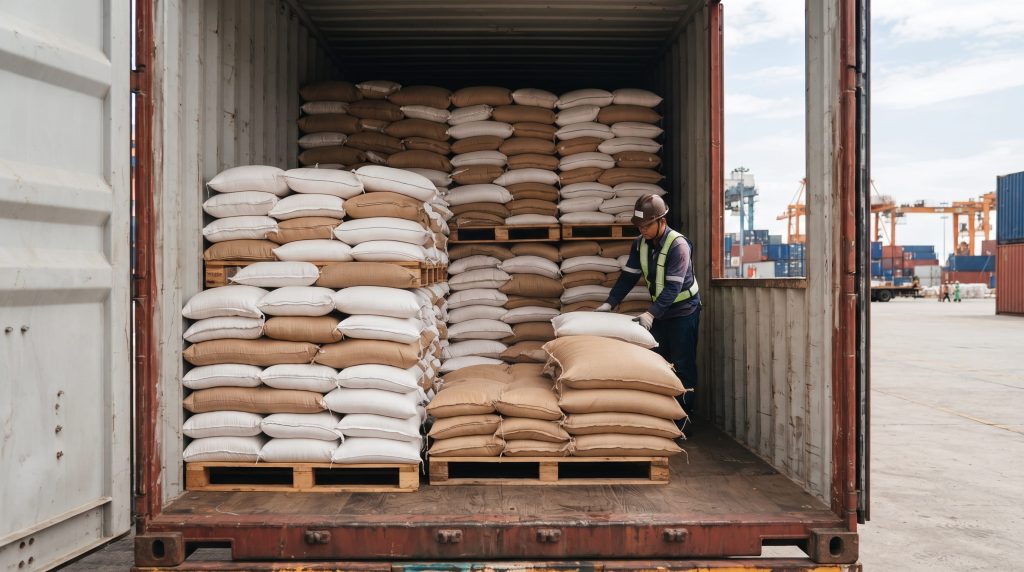
At VERTEX, our rice supply approach covers sourcing, quality checks, packaging, and international delivery based on buyer requirements.
You can also learn more about our rice supply solutions when planning your next bulk order.
Frequently Asked Questions
What is parboiled rice and how is it different from regular white rice?
Parboiled rice is soaked, steamed, and dried before milling. This changes the grain structure and generally makes the kernels firmer and more resistant to breakage.
Why do bulk food manufacturers prefer parboiled rice over raw rice?
Bulk manufacturers often choose it because of its grain strength, cooking performance, and suitability for large-scale food processing and food service.
What is the parboiling process and how does it work?
Paddy rice is soaked, steamed, and dried before milling. Heat and moisture change the internal structure of the grain.
Does parboiled rice have better nutritional value than white rice?
Parboiling can help retain some nutrients during milling, but the final nutritional value depends on the rice variety and processing conditions.
What is the shelf life of parboiled rice compared with regular rice?
Shelf life depends on moisture, packaging, storage conditions, temperature, humidity, and pest control. Buyers should always request the supplier’s declared shelf life and recommended storage conditions instead of assuming a fixed 24-month period.
Conclusion
For bulk food manufacturers and international rice buyers, parboiled rice is mainly about performance.
Its firm grain structure, cooking characteristics, lower breakage potential, and suitability for food-service applications make it a practical choice for many markets.
But choosing the right rice starts with understanding your own requirements.
Whether you need IR64 parboiled rice, 1121 Basmati Sella, Golden Sella rice, or another specification, VERTEX Supply Networks can help you explore suitable sourcing and export options.
To learn more about our sourcing approach, visit the VERTEX homepage. You can also read about us to understand how we support international buyers.
Ready to discuss your next rice order? Contact VERTEX with your required variety, quantity, packaging, and destination.
