


Have you ever looked at a jewelry piece and wondered how a custom jewelry design turns from a simple sketch into a finished product ready for sale?
Usually, every beautiful jewelry product begins with a small idea, a rough sketch, or a simple conversation. However, turning that idea into a finished product requires much more than creativity. It needs careful planning, technical expertise, skilled manufacturing, and reliable supply management.
For jewelry brands, importers, wholesalers, and international buyers, finding the right manufacturing partner is important. After all, a successful collection is not only about attractive designs. It is also about consistent quality, smooth production, and dependable delivery.
This is where VERTEX custom jewelry workflow helps businesses transform creative concepts into market-ready products. Through sourcing, manufacturing coordination, quality management, packaging, and export support, VERTEX helps brands manage their jewelry journey from concept to completion.
How the Custom Jewelry Design Process Works Step by Step
A successful custom jewelry design process combines creativity, technical planning, quality manufacturing, and reliable fulfillment.
The sketch to shelf jewelry process includes several stages. Each stage plays an important role because even the smallest details can affect the final product.
1. Understanding the Jewelry Concept
Every jewelry collection begins with an idea. Therefore, the first step is understanding the buyer’s vision.
A brand may provide:
- Hand-drawn sketches
- Product references
- Existing samples
- Brand guidelines
- Technical drawings
- Digital design files
At VERTEX, the process starts by understanding the product purpose, target customers, and market expectations.
For example, a luxury jewelry brand may need detailed finishing, while a fashion brand may focus on trendy designs and affordable production.
As a result, proper planning helps create jewelry that matches both the brand identity and customer demand.

2. Developing CAD Jewelry Designs
Today, jewelry production combines traditional creativity with modern technology.
While sketches capture the creative idea, CAD jewelry design converts those concepts into accurate digital models. This makes production planning easier and reduces possible errors.
CAD helps define:
- Product measurements
- Stone placement
- Metal structure
- Weight calculations
- Manufacturing requirements
Additionally, buyers can review CAD renderings before production begins. Therefore, they can request changes early and avoid unnecessary production adjustments later.
3. Creating Jewelry Prototypes With 3D Printing
After the digital design is approved, the next step is often prototyping.
With 3D printed jewelry methods, manufacturers can create sample versions before moving into final production.
This allows businesses to check:
- Shape and proportions
- Size and comfort
- Design accuracy
- Overall appearance
In other words, prototypes act as a practice version before the final launch. Because of this, brands can improve small details before investing in larger production quantities.
This step is especially useful for custom rings, pendants, bracelets, and unique jewelry collections.
4. Selecting Materials and Gemstones
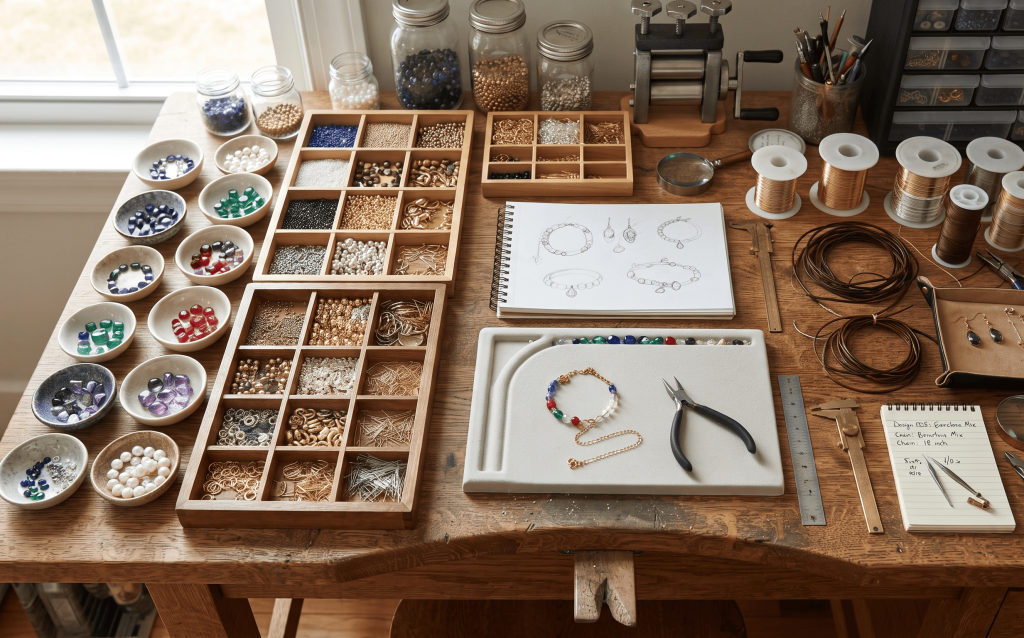
Material selection directly affects jewelry quality, appearance, and pricing.
Depending on the collection requirements, businesses may choose:
- Gold plated finishes for fashion collections
- Sterling silver for premium designs
- Stainless steel for durable products
- Gemstones for luxury collections
- Custom materials based on brand needs
Furthermore, international buyers increasingly focus on responsible sourcing. They want better transparency about materials, suppliers, and production methods.
Therefore, VERTEX supports businesses by helping manage sourcing requirements through reliable supply networks.
5. Manufacturing and Quality Control
Once the design receives approval, production moves forward.
The manufacturing process may include:
- Mold preparation
- Casting
- Stone setting
- Polishing
- Plating
- Final finishing
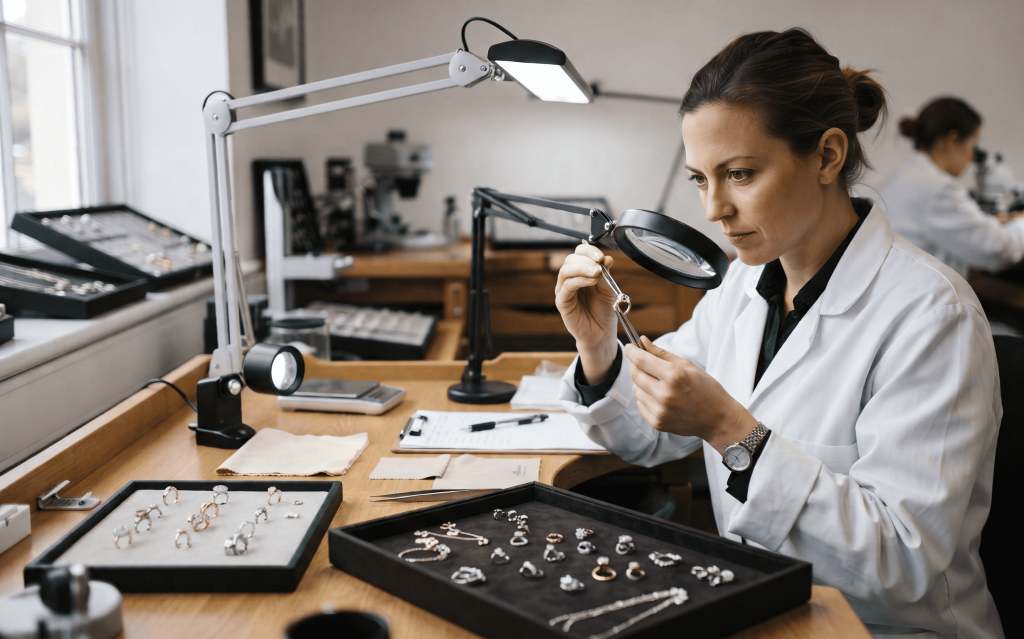
However, manufacturing is only one part of successful jewelry production. Quality control is equally important because customers expect consistency.
A jewelry quality checklist may include:
- Design accuracy
- Surface finishing
- Stone placement
- Product measurements
- Color consistency
- Packaging inspection
As a result, proper inspections help businesses maintain customer trust and protect their brand reputation.
How VERTEX Supports Global Jewelry Businesses
Many businesses face challenges when they manage multiple suppliers for design, production, packaging, and shipping.
However, VERTEX provides a connected supply approach that helps businesses coordinate different stages more efficiently.
VERTEX supports buyers with:
- Custom jewelry development
- Manufacturing coordination
- Quality management
- Packaging solutions
- Export assistance
- Small batch production support
Therefore, brands can focus more on growth while their supply operations remain organized.
Custom Jewelry Timeline and Cost Factors
The production timeline depends on design complexity, materials, quantity, and approval stages.
Generally, the process includes:
Consultation
- Understanding requirements
- Reviewing designs
- Planning production needs
Design Development
- Creating CAD models
- Reviewing renderings
- Making revisions
Prototype Creation
- Testing samples
- Approving final designs
Production and Delivery
- Manufacturing products
- Completing quality checks
- Preparing shipments
Similarly, cost depends on:
- Metal selection
- Gemstone quality
- Design complexity
- Order quantity
- Finishing requirements
- Packaging needs
Therefore, clear planning helps buyers control budgets and timelines.

Frequently Asked Questions
What is VERTEX and what role does it play in custom jewelry production?
VERTEX is a global supply network that supports businesses with sourcing, manufacturing coordination, quality management, packaging, and export solutions.
Do designers use hand sketches, CAD, or both?
Both are used. Hand sketches communicate creative ideas, while CAD jewelry design creates accurate production models.
Can buyers review CAD designs before production?
Yes. Buyers can review CAD renderings and request revisions before manufacturing starts.
Can VERTEX support small jewelry production runs?
Yes. VERTEX supports businesses with flexible production solutions, including small collections and growing jewelry brands.
How does VERTEX protect jewelry designs?
VERTEX follows professional project management practices to help maintain design confidentiality and secure communication.
Final Thoughts: Turning Jewelry Ideas Into Reality
A jewelry piece does not appear on a shelf overnight. Instead, it moves through creativity, technology, manufacturing, quality checks, packaging, and delivery.
For importers, wholesalers, retailers, and jewelry brands, the right supply partner makes this journey easier.
With support across sourcing, production, quality control, and fulfillment, VERTEX helps businesses transform custom jewelry design ideas into products ready for global markets.
Ready to bring your jewelry concept to life? Connect with VERTEX and start your journey from sketch to shelf.
Contact VERTEX Supply Networks
📞 Phone: +92 337 9233693
📧 Email: vertexsupplynetworks@gmail.com
